
Premises Liability Slip and Fall Accidents
What Individuals and Families Need After a Fall Changes Everything
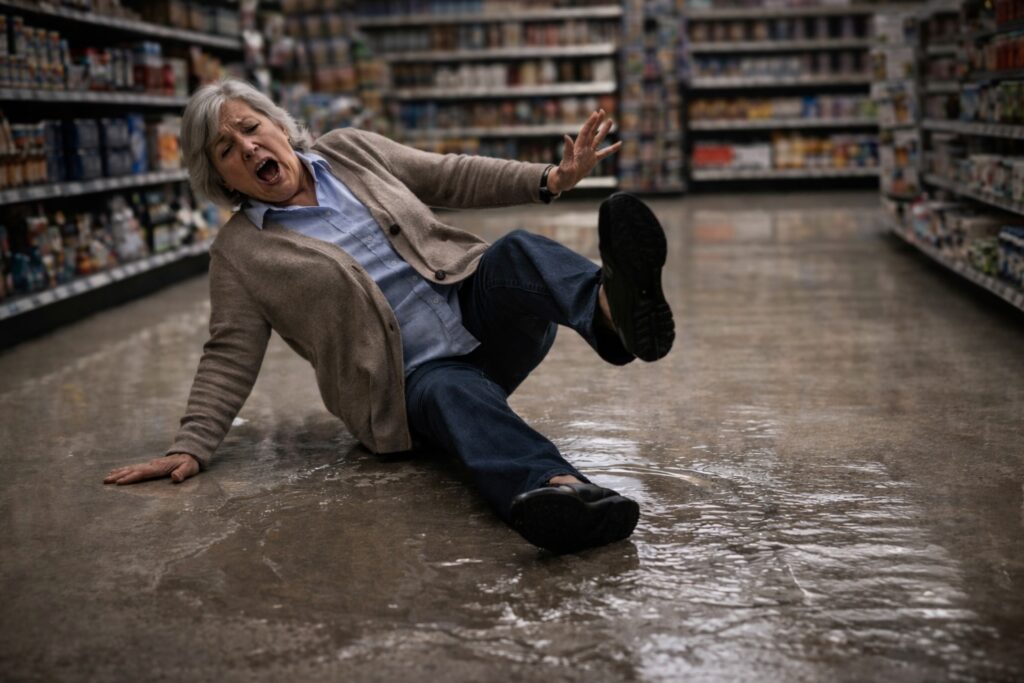
A slip and fall or other premises injury often happens in a place that felt safe moments earlier. A grocery store aisle, an apartment walkway, a hotel lobby, a workplace, or a friend’s property suddenly becomes the setting for pain, confusion, and unanswered questions. People often feel embarrassed at first, then worried, then overwhelmed as symptoms grow and daily life shifts. This page exists to meet those concerns with steady clarity and calm guidance.
How premises injuries happen
Premises injuries occur when property conditions create danger. Wet floors without warning signs, uneven pavement, poor lighting, loose handrails, broken steps, cluttered walkways, and unsafe maintenance practices all play a role. These conditions develop through neglect, delayed repairs, poor inspection routines, or ignored complaints. Injuries happen when safety responsibilities fall through the cracks.
Why these cases feel confusing
Many people blame themselves after a fall. That reaction feels common and human. Responsibility often rests with those who control the property and know about hazards or should know through reasonable care. The law focuses on safety practices, notice of danger, and steps taken to protect visitors. Understanding this framework helps replace self doubt with clarity.
Who may be responsible
Responsibility often extends beyond one person or entity. Property owners hold duties to maintain safe conditions. Tenants share responsibility for areas under their control. Property management companies oversee maintenance and inspections. Landlords carry duties toward tenants and guests. Businesses remain responsible for customer safety. Employers carry responsibility for workplace conditions. Each party’s role depends on control, knowledge, and action related to the hazard.
Why evidence matters early
Evidence fades quickly in premises cases. Spills get cleaned. Warning signs appear after the fact. Lighting gets fixed. Repairs happen. Surveillance footage records over automatically. Witness memories soften. Early documentation protects the truth of what existed at the moment of injury. Photographs, video, incident reports, and witness accounts form the foundation of clarity later.
What insurance companies do after a fall
Insurance companies often respond quickly after an incident report. Adjusters ask for statements and medical records. Conversations sound polite and helpful. The process serves financial goals focused on limiting payouts and protecting profit margins. Awareness of this structure helps injured people slow the pace and protect accuracy during recovery.
What injured people should do first
Medical care comes first. Seek evaluation even when pain feels mild. Some injuries reveal themselves over time. Follow treatment instructions and attend follow up visits. Keep copies of medical records, bills, and discharge notes. Photograph injuries and the scene when possible. Write down how the injury affects sleep, movement, and daily tasks. These details connect the fall to ongoing impact.
What injured people should avoid early on
Avoid recorded statements without guidance. Avoid guessing about responsibility. Avoid downplaying pain to appear resilient. Avoid posting about the incident or recovery online. Early words and images often lose context and affect future decisions.
How fault gets examined
Fault develops through careful review of conditions and conduct. Investigators look at maintenance records, inspection logs, cleaning schedules, prior complaints, and repair histories. Witness statements add perspective. Photos and video show lighting, surfaces, and warnings. This process builds a clear picture grounded in facts rather than assumption.
How premises injuries affect medical care
Slip and fall injuries often involve fractures, head trauma, spinal injuries, and soft tissue damage. Treatment may include surgery, therapy, and extended recovery. Medical needs evolve over time and require planning. Clear coordination supports healing without added stress.
How these injuries affect finances and family stability
Medical bills arrive quickly. Time away from work affects income. Family members adjust schedules to help with care. Savings feel pressure. Planning restores structure and steadiness during recovery and helps families regain balance.
Premises injuries involving older adults
Older adults face higher risks of serious harm after a fall. Recovery often takes longer. Independence may change. Families step into support roles unexpectedly. Careful attention to medical and safety needs becomes essential.
Wrongful death from unsafe property conditions
When unsafe premises lead to loss of life, families face deep grief that touches every part of daily living. The law recognizes financial support, care, and guidance the loved one provided. The process moves with respect and care. Accountability honors the life lost and supports surviving family members.
Why timing and experience matter
Early steps preserve evidence and protect accuracy. Experience brings familiarity with property safety standards and insurance practices. Preparation supports calm decisions throughout the process and reduces unnecessary stress.
How families regain a sense of control
Clear information replaces confusion. Thoughtful planning restores confidence. Each informed step helps families breathe again and move forward with steadiness.
A steady path forward
A premises injury changes life without warning. Answers and support restore direction. Careful preparation protects rights and preserves truth. For individuals and families seeking reassurance during a difficult chapter, knowledge and steady guidance bring clarity and peace.
You don’t have to face this alone. Contact us today for a free, confidential consultation.
More: Auto and Motorcycle | Large Truck | Burns and Paralysis | Dog Bites | Premises Liability | Testimonials | Case Results