
Catastrophic Injury
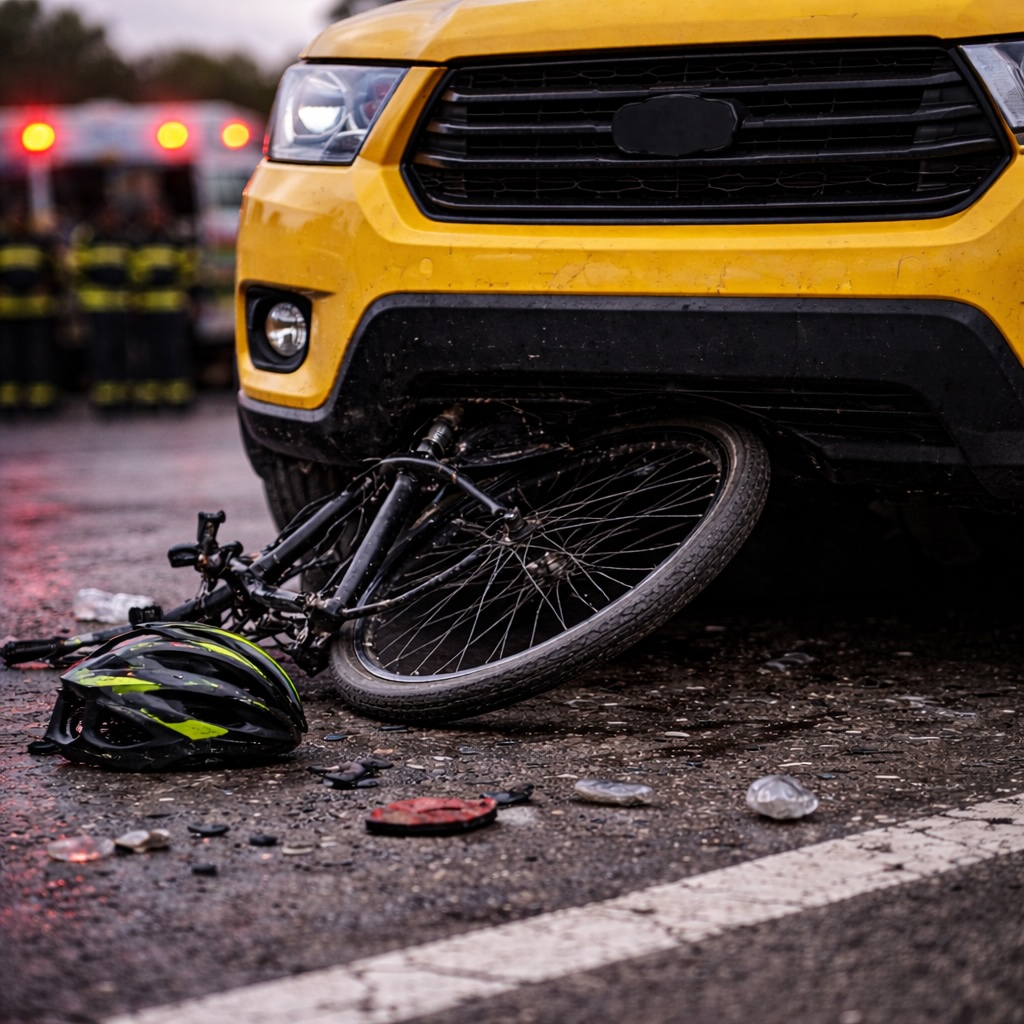
California Catastrophic Injury Cases. What Families Need to Know When Life Changes in an Instant
A catastrophic injury arrives without warning and reshapes daily life in ways no one prepares for. One moment feels ordinary. The next brings hospital rooms, unanswered questions, and a future filled with uncertainty. Families often describe a sense of shock mixed with fear about medical care, income, independence, and what comes next. This page speaks directly to those moments, with steady guidance and clear information designed to help you regain footing.
How Catastrophic Injuries Happen
Catastrophic injuries often arise from events involving extreme force or dangerous conditions. High speed collisions, large truck crashes, industrial incidents, unsafe properties, defective products, and violent impacts often play a role. Fires, explosions, electrical events, and falls from height also appear in many cases. Paralysis and severe burns frequently trace back to safety failures, poor maintenance, or decisions made by companies placed in charge of protecting people.
Responsibility often extends beyond a single person. Employers, property owners, manufacturers, contractors, and insurers may share responsibility when systems fail or warnings go ignored. Identifying every responsible party requires careful investigation and experience with complex cases.
What Families Feel Right Away
After a catastrophic injury, families often feel overwhelmed by fear and confusion. Medical decisions arrive fast. Bills appear quickly. Work stops or changes overnight. Loved ones struggle with mobility, pain, or permanent disability. Parents worry about caregiving. Spouses worry about long term stability. Children sense stress even when adults try to stay calm.
Many people hesitate to ask hard questions. They worry about blame. They worry about cost. They worry about standing up to large companies with teams of lawyers and insurance adjusters. These feelings make sense. Understanding how the process works helps reduce fear.
Why Evidence Matters Early
Evidence in catastrophic injury cases often fades quickly. Scenes change. Equipment gets repaired. Video footage gets erased. Vehicles get moved or destroyed. Records disappear into storage systems. Early steps help preserve proof of what occurred and who bears responsibility.
Photographs, maintenance records, training logs, surveillance footage, and electronic data often play a central role. Medical records also matter from the start. Clear documentation helps protect accuracy and prevents later disputes over cause and severity.
What Insurance Companies Do Immediately
Insurance companies move fast after catastrophic injuries. Adjusters gather statements. Investigators visit scenes. Experts review damage. Their focus centers on limiting financial exposure. This approach affects medical authorizations, wage coverage, and settlement discussions.
Families often feel pressure to give recorded statements or accept early payments. These moments carry lasting impact. Clear guidance early helps prevent misunderstandings and protects access to full medical care and financial support.
Medical Care and Long Term Needs
Severe burns and paralysis bring ongoing medical needs. Surgeries, rehabilitation, mobility equipment, home modifications, and long term care often follow. Mental health support also plays a key role as individuals adapt to new realities.
Financial planning connects closely with medical planning. Future care costs, lost earning capacity, and support needs require careful evaluation. Addressing these issues early brings clarity and stability over time.
What To Do Early After a Catastrophic Injury
Focus first on medical care and safety. Follow treatment plans and attend appointments. Keep records of symptoms, limitations, and changes in daily life. Preserve clothing, equipment, or devices involved in the incident. Write down names of witnesses and responders.
Avoid signing documents or giving recorded statements without understanding their impact. Limit discussions about the incident on social media or with insurers. Ask questions and seek explanations until information feels clear.
How Fault Gets Investigated
Determining fault involves reviewing evidence, interviewing witnesses, consulting specialists, and analyzing systems involved in the incident. Engineers, safety experts, medical professionals, and vocational specialists often contribute insight.
This process looks beyond surface explanations. It examines training, maintenance, policies, supervision, and decision making. Thorough investigation supports accountability and protects long term interests.
Why Experience Matters
Catastrophic injury cases demand preparation, patience, and resolve. These cases involve multiple parties, extensive evidence, and high stakes. Experience brings understanding of how insurers evaluate claims and how defense strategies unfold.
Families deserve steady guidance grounded in real world knowledge. Clear communication helps you understand each step and regain a sense of control during a time marked by uncertainty.
Moving Forward With Clarity
Life after a catastrophic injury looks different. Adjustment takes time. Support matters. Reliable information helps families make decisions with confidence and purpose.
Understanding your rights and options brings peace of mind. Calm guidance allows focus on healing, care, and family stability. When questions arise, thoughtful answers help replace fear with clarity and direction.
You don’t have to face this alone. Contact us today for a free, confidential consultation.
More: Auto and Motorcycle | Large Truck | Burns and Paralysis | Dog Bites | Premises Liability | Testimonials | Case Results