
Automobile and Motorcycle Accidents
What Individuals and Families Need After Life Shifts Without Warning
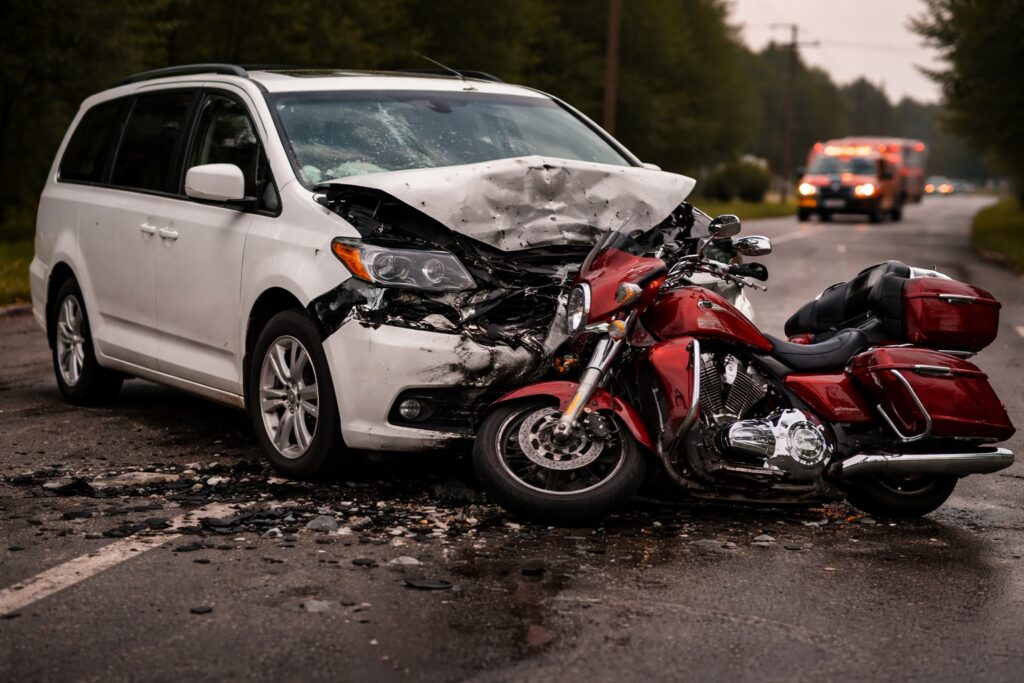
An automobile or motorcycle accident arrives without notice and leaves behind questions that feel heavy and urgent. One moment involves routine travel. The next moment involves injury, shock, and fear about what happens next. Families often feel overwhelmed by medical decisions, financial pressure, and the sense that control slipped away. This page speaks directly to those concerns with steady guidance and clear language.
The emotional impact after a crash
Fear often settles in before facts become clear. Pain, confusion, and exhaustion affect judgment. Family members step into new roles as caregivers, decision makers, and emotional support. Sleep feels uneven. Focus drifts. These reactions remain normal responses to sudden trauma. A calm path forward begins with understanding what comes next.
Who may hold responsibility beyond the driver
Responsibility in an automobile and motorcycle collision often reaches beyond the person behind the wheel. Employers sometimes set schedules that encourage unsafe driving. Vehicle owners hold duties related to maintenance. Manufacturers design brakes, tires, airbags, and steering systems. Government agencies oversee road design and signage. Each layer deserves careful review during an investigation.
Why early details matter
Evidence fades quickly after a crash. Skid marks disappear. Vehicles receive repairs or get removed. Witness memories soften. Video footage overwrites. Early attention protects facts that explain how the collision occurred. Clear records support accurate decisions later.
What insurance companies do right away
Insurance companies respond quickly after a reported crash. Adjusters review coverage, request statements, and gather records. Early contact often feels friendly and helpful. The process serves business goals that focus on limiting payouts and protecting profits. Awareness of this structure helps families move at a thoughtful pace rather than reacting under pressure.
What injured people should focus on first
Health comes first. Follow medical advice and attend appointments. Keep copies of every bill, report, and instruction. Take photographs of injuries and vehicle damage. Write down symptoms, pain levels, and daily challenges. These notes connect physical harm to the collision and support recovery.
What injured people should avoid early on
Avoid recorded statements without guidance. Avoid guessing about fault. Avoid minimizing pain to appear strong. Avoid posting about the crash or recovery on social media. Words shared early often travel far and lose context.
How fault gets examined
Fault develops through a careful review of facts. Investigators study vehicle paths, speeds, impact points, and road conditions. Witness accounts add perspective. Experts analyze damage and data. This process builds a clear picture rooted in evidence rather than assumption.
How medical care and finances connect
Automobile injuries often involve emergency treatment, follow up care, therapy, and medication. Bills arrive quickly and affect household stability. Time away from work adds pressure. A thoughtful legal approach aligns medical needs with financial recovery so families focus on healing rather than paperwork.
How cases affect family stability
Injuries change routines. Parents miss work. Children sense stress. Savings feel strain. Planning restores structure and direction. Clear communication and steady guidance help families regain balance during uncertain months.
What wrongful death families face
When an automobile or motorcycle collision takes a life, families experience deep loss that touches every part of daily living. The law recognizes financial support, care, and guidance the loved one provided. The legal process moves with respect and care. Accountability honors the life lost and supports those left behind.
Why timing and experience matter
Early steps protect evidence and reduce confusion. Experience brings familiarity with insurance practices and investigative methods. Preparation supports calm decision making throughout the process.
How families regain a sense of control
Understanding the path forward reduces fear. Clear explanations replace uncertainty. Each informed step helps families breathe again and plan ahead.
A steady way forward
An automobile or motorcycle accident reshapes life in an instant. Answers and support restore direction. Careful preparation protects rights and preserves truth. For individuals and families seeking clarity and reassurance during a difficult chapter, knowledge and steady guidance bring peace and confidence.
You don’t have to face this alone. Contact us today for a free, confidential consultation.
More: Auto and Motorcycle | Large Truck | Burns and Paralysis | Dog Bites | Premises Liability | Testimonials | Case Results